 Cape Verdean Boy Name Generator
Explore Cape Verdean boy names from the Atlantic island archipelago blending Portuguese and Creole traditions
Guides & Articles
Cape Verdean Boy Names: A Complete Guide to Stylish, Traditional and Modern Choices
Introduction: The Beautiful World of Cape Verdean Boy Names
Choosing the perfect name for your baby boy is one of the most meaningful decisions any parent can make. For Cape Verdean families, this choice reflects so much more than personal preference. It carries the spirit of an island nation, centuries of Creole heritage, Atlantic trade routes, African roots, and Portuguese colonial influence all woven together into a living, breathing naming culture unlike anything else in the world.
Cape Verde, officially known as the Republic of Cabo Verde, is an archipelago of ten volcanic islands sitting in the Atlantic Ocean off the northwestern coast of Africa. Though a small nation in size, its cultural identity is enormous, complex, and deeply proud. Cape Verdean boy names reflect this complexity beautifully. You will find names rooted in Portuguese Catholic tradition sitting comfortably next to names with African Bantu origins and Creole linguistic innovation.
Whether you are a Cape Verdean parent searching for stylish baby names that honor your island heritage, a member of the Cape Verdean diaspora looking to stay connected to your roots, or simply someone enchanted by these musical and meaningful names, this comprehensive guide covers it all. From popular Cape Verdean boy names to rare gems, from modern trending choices to traditional cultural names, this article is your ultimate resource for naming inspiration rooted in the soul of Cabo Verde.
Popular Cape Verdean Boy Names with Meanings
Some Cape Verdean names have endured across generations because of their musical quality, strong meanings, and deep cultural resonance. These are the names that feel both familiar within Cape Verdean communities and accessible to a broader global audience. If you are looking for tried and true Cape Verdean baby boy names that carry both tradition and style, this list is a wonderful starting point.
|
Name |
Origin |
Meaning |
|
Amílcar |
Phoenician/Cape Verdean |
One who commands work; strong leader |
|
Djair |
Cape Verdean Creole |
One who illuminates, shines brightly |
|
Kelvin |
Scottish/Cape Verdean |
River man; widely adopted in Cabo Verde |
|
Nelson |
English/Cape Verdean |
Son of the champion; popular island name |
|
Sérgio |
Latin/Portuguese |
Servant; dignified and classic |
|
Lênin |
Cape Verdean usage |
Light, luminous; adapted from Russian |
|
Edílson |
Portuguese/Cape Verdean |
Rich protector; noble guardian |
|
Gelson |
Cape Verdean Creole |
Unique Creole form; beloved islander |
|
Zézinho |
Portuguese diminutive |
Little José; affectionate family name |
|
Tchê |
Cape Verdean Creole |
Informal, beloved, one of us |
|
Vladmir |
Slavic/Cape Verdean |
Ruler of peace; globally adopted |
|
Leandro |
Greek/Portuguese |
Lion man; brave and courageous |
These names demonstrate the remarkable cultural openness of Cape Verdean naming traditions. Unlike many countries where names must adhere strictly to a national language, Cape Verde embraces names from Portuguese, Creole, African, and even international sources with genuine enthusiasm. This makes Cape Verdean boy names some of the most diverse and creative in the entire African and Atlantic world.
Modern and Trending Cape Verdean Boy Names in 2025 and 2026
Contemporary Cape Verdean parents are increasingly looking for names that feel current, globally stylish, and easy to carry in multiple cultural contexts. The Cape Verdean diaspora, spread across the United States, Portugal, Netherlands, France, and beyond, plays a major role in shaping modern naming trends. Cape Verdean baby names today are influenced by music, football culture, social media, and international travel.
|
Name |
Pronunciation |
Meaning |
Why Trending |
|
Kelvin |
KEL-vin |
River man, cool energy |
Football stars bear this name |
|
Bryan |
BRY-an |
Strong, virtuous, honorable |
International feel, widely loved |
|
Dário |
DAH-ree-oh |
Wealthy protector |
Stylish Portuguese form, rising fast |
|
Sandro |
SAN-droh |
Defender of men |
Short for Alessandro, very modern |
|
Wellinton |
Well-IN-ton |
Settlement near the stream |
Popular across Cape Verdean homes |
|
Nélito |
Neh-LEE-toh |
Unique Cape Verdean diminutive |
Affectionate, very Creole in spirit |
|
Mário |
MAH-ree-oh |
Warlike, strong character |
Classic Portuguese name, still rising |
|
Renilson |
Reh-NIL-son |
Cape Verdean creative form |
Distinct island identity |
|
Fábio |
FAH-bee-oh |
Bean grower; smart and capable |
Very stylish in Portuguese-speaking world |
|
Stélio |
STEH-lee-oh |
Star, stellar, shining |
Rare, modern, and musical |
Football has a particularly powerful influence on Cape Verdean naming. The national team, known as the Blue Sharks, has produced internationally recognized players, and many young Cape Verdean boys carry names inspired by football heroes. This sporting culture combined with the deep musical legacy of morna and funaná means that Cape Verdean naming trends are always vibrant, creative, and full of personality.
Traditional Cape Verdean Boy Names Rooted in Culture and History
Traditional Cape Verdean names are a beautiful reflection of the islands' complex colonial history and African heritage. Portuguese Catholic names took root during centuries of colonization, blending with African naming practices brought by enslaved and free African populations who settled on the islands. The result is a traditional naming culture that is entirely unique to Cape Verde.
|
Name |
Meaning |
Cultural Significance |
|
Amílcar |
Commander of work |
Name of Amílcar Cabral, Cape Verde's liberation hero |
|
Aristides |
Best kind, excellence |
Name of first Cape Verdean president |
|
Francisco |
Free man |
Catholic tradition; Saint Francis honored widely |
|
Manuel |
God is with us |
Portuguese Catholic name; deeply rooted in islands |
|
António |
Priceless, praiseworthy |
Saint Anthony patron of Portugal and Cape Verde |
|
Domingos |
Belonging to the Lord |
Sunday birth tradition; deeply Catholic origin |
|
Valentim |
Strong, healthy |
Saint Valentine tradition carried to Cape Verde |
|
Filipe |
Lover of horses |
Apostle Philip; strong Catholic tradition |
|
Luís |
Famous warrior |
Royal Portuguese name; widespread in Cape Verde |
|
Higino |
Healthy, sound in mind |
Early Christian saint; traditional island name |
The influence of the Catholic Church on traditional Cape Verdean naming cannot be overstated. The Portuguese brought Christianity to the islands in the fifteenth century, and many families continue to follow the tradition of naming sons after saints, apostles, and Catholic feast days. Naming a boy after Saint Anthony, Saint Francis, or the Apostle Philip is not just a religious act but a cultural statement of identity and belonging.
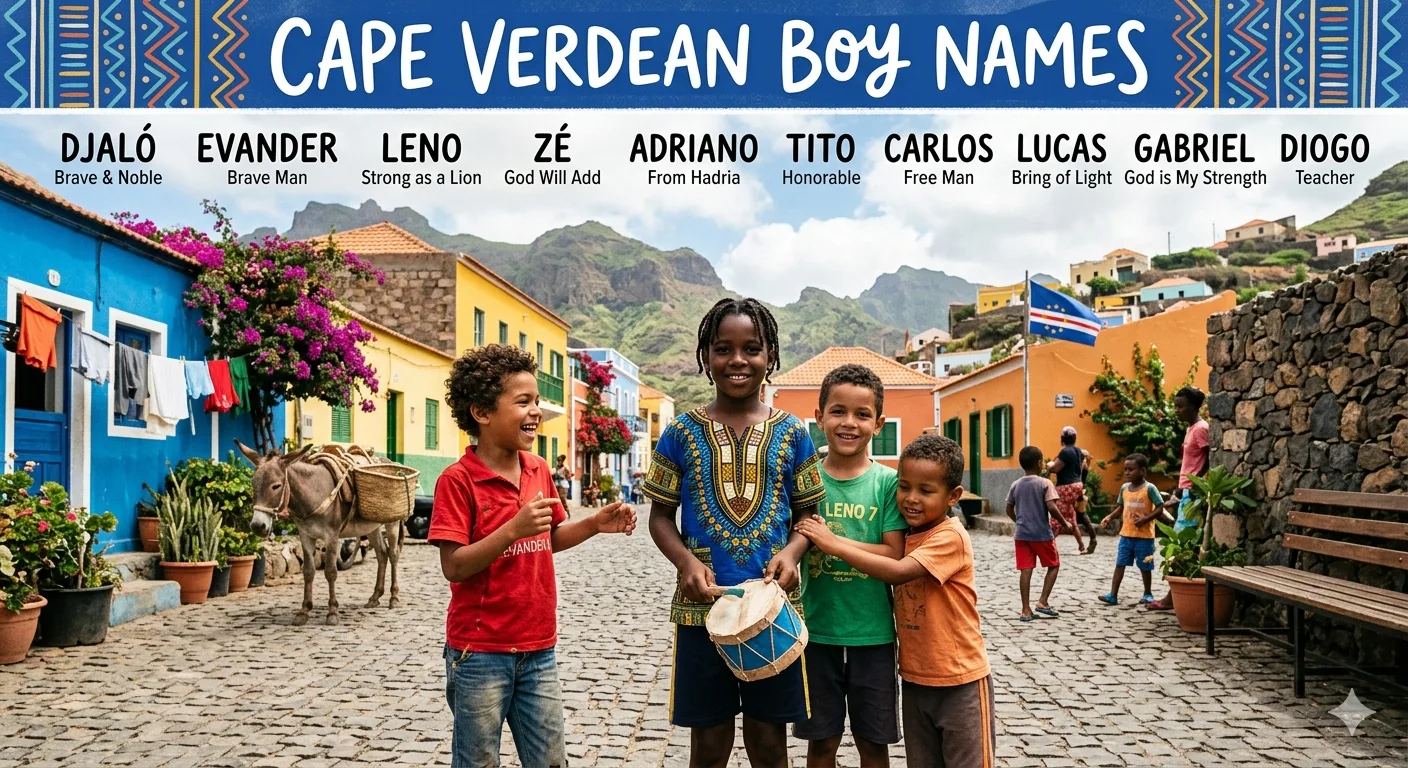
Alongside the Catholic influence, the legacy of Amílcar Cabral, the revolutionary leader who led Cape Verde and Guinea-Bissau to independence, has made certain politically charged names permanently meaningful in Cape Verdean culture. Naming a son Amílcar or Aristides carries the spirit of liberation and national pride.
Rare and Unique Cape Verdean Names That Truly Stand Out
For Cape Verdean families seeking something truly distinctive, the islands offer a rich collection of rare and uncommon names. These names are deeply tied to local culture, Creole language creativity, or historical figures that shaped the islands. Choosing one of these rare Cape Verdean boy names is a way of honoring the most intimate and personal aspects of island heritage.
|
Name |
Rarity |
Meaning and Significance |
|
Tchodar |
Very rare |
Creole origin; carries deep island community identity |
|
Boaventura |
Uncommon |
Good fortune, happy adventure; old Portuguese name |
|
Euclides |
Rare |
Famous for glory; ancient Greek root, beloved in islands |
|
Odair |
Uncommon |
Cape Verdean Creole form; creative local adaptation |
|
Claudimar |
Rare |
Blend of Claudio and sea; island maritime spirit |
|
Givanildo |
Very rare |
Creole creative name; strong northeast African influence |
|
Felisberto |
Rare |
Bright happiness; old Iberian name almost forgotten |
|
Isidório |
Rare |
Gift of Isis; ancient name surviving only in Cape Verde |
|
Altamiro |
Uncommon |
High, exalted, of great standing |
|
Esperidião |
Very rare |
Hope-bearer; deeply old Portuguese Catholic name |
Many of these rare Cape Verdean names are being rediscovered by younger parents who recognize their beauty and uniqueness. In a world where common names appear everywhere, giving your son a name like Boaventura or Euclides ensures he carries something truly his own, a name with depth, history, and the unmistakable flavor of the Atlantic islands.
Cape Verdean Boy Names Inspired by African Heritage
Though Cape Verde was uninhabited before Portuguese settlement, the islands became home to a significant African population through the slave trade and voluntary migration from the West African mainland. This African heritage has left a permanent mark on Cape Verdean naming culture, particularly among families who want to honor their roots through baby name choices that reflect the African continent.
|
Name |
African Root |
Symbolic Meaning |
|
Malam |
Mandinka/West African |
Teacher, learned man, wise elder |
|
Djibi |
Wolof/West African |
Brave heart; courage in community |
|
Tcherno |
Fula/West African |
Black, strong, deeply rooted |
|
Bintu |
Mandé/Cape Verdean |
Daughter/son of; ancestral lineage |
|
Mamadu |
West African Muslim |
Praised; Cape Verdean form of Muhammad |
|
Bangura |
Temne/West African |
Mountain clan; strength of the hills |
|
Balde |
Fula/West African |
Nobleman; aristocratic heritage |
|
Samba |
Wolof/West African |
Second-born son; musical joy |
|
Dabó |
Mandinka/Cape Verdean |
Strength, grounded presence |
|
Nhaga |
Guinea-Bissau/Cape Verdean |
Unique identity; transborder heritage |
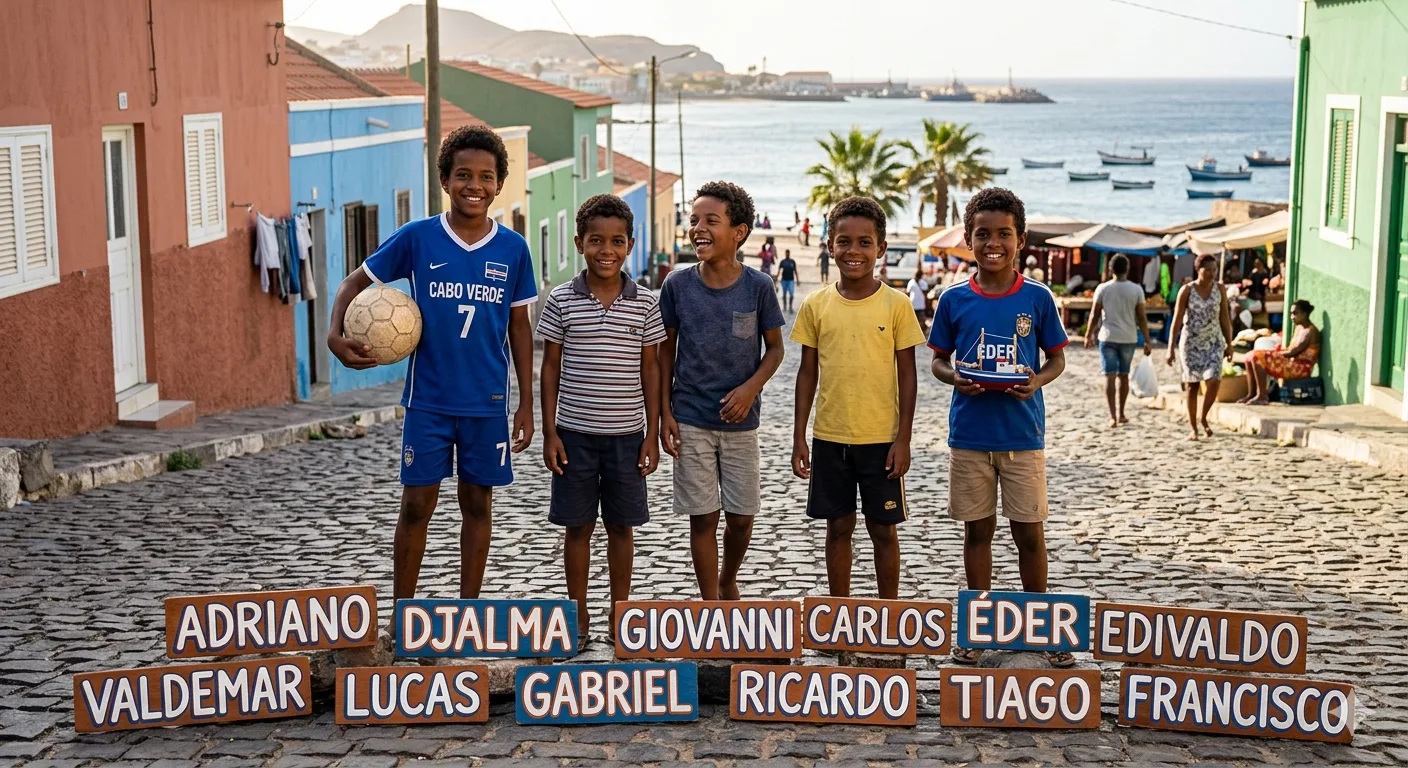
The African heritage names used in Cape Verde often reflect the strong connections between the islands and the nearby mainland countries of Guinea-Bissau, Senegal, and Sierra Leone. Many Cape Verdean families, particularly those with roots in the island of Santiago, the most African-influenced of the ten islands, carry these African names proudly as markers of ancestral identity and cultural continuity.
How Names Are Chosen in Cape Verdean Culture
The naming process in Cape Verdean families is rich with tradition, negotiation, and love. Understanding how Cape Verdean families choose names gives you a deeper appreciation for the significance behind every choice.
Family Naming Traditions: In many Cape Verdean households, particularly on the islands of Fogo and Brava, it is customary for the firstborn son to carry the name of the paternal grandfather. This tradition of naming across generations creates powerful family bonds and ensures that beloved ancestors are remembered through living children.
Religious Influence: Catholicism has shaped Cape Verdean naming deeply. Many families choose saints' names for their sons, particularly around feast days. A boy born near the feast of Saint Anthony in June might be named António, while a December birth might lead to the name Natal, meaning Christmas.
The Creole Creative Spirit: Cape Verde's unique Creole culture brings a playful creativity to naming. Parents often create entirely new names or adapt foreign names into local phonetic patterns. This is why you find names like Gelson, Nilton, and Edílson that exist almost nowhere else in the world in quite the same form.
Diaspora Influence: With over one million Cape Verdeans living abroad compared to roughly five hundred thousand on the islands, diaspora communities in the United States, Netherlands, and Portugal heavily influence naming trends. Names that work across Portuguese and English are especially popular among diaspora families.
National Pride: Names honoring liberation heroes like Amílcar Cabral or the first presidents carry political and patriotic weight. Naming a son Amílcar or Aristides is a declaration of Cape Verdean identity and historical consciousness.
Read More: Cambodian Boy Name
Latest Naming Trends Among Cape Verdean Families in 2025 and 2026
Cape Verdean naming trends in 2025 and 2026 reflect a fascinating blend of cultural pride, global awareness, football fandom, and musical identity. Here is a detailed look at what is shaping baby name choices across the Cape Verdean world right now.
Football-Inspired Names Are Soaring: Cape Verde's Blue Sharks football team has become a source of enormous national pride. Players like Djair Parfitt-Williams, Ryan Mendes, and Garry Rodrigues have made names associated with football stardom enormously appealing to new parents. Choosing a name with a football connection is both modern and patriotic in Cape Verde today.
Shorter Names With International Appeal: Names that are easy to pronounce in both Portuguese and English are increasingly preferred. Short, punchy names like Sandro, Fábio, and Mário are trending because they travel well across languages and cultures.
Revival of Liberation-Era Names: Younger Cape Verdean parents are rediscovering names associated with the independence movement of 1975. Names that honor national heroes are being chosen by a generation that wants to reconnect with the political history of their islands.
Creole Name Creativity: There is a growing celebration of purely Creole names that exist nowhere else in the world. Names like Gelson, Nélito, and Tchê are seen as authentic expressions of Cape Verdean identity that resist cultural erasure.
Music and Morna Influence: Cape Verde's world-famous music traditions, including morna, funaná, and batuque, inspire a romanticism in naming. Parents are drawn to names that sound musical and lyrical, mirroring the melodic beauty of Cape Verdean song.
Tips for Choosing the Perfect Stylish Cape Verdean Name
Finding the right name for your Cape Verdean baby boy can feel like a beautiful journey through culture, history, and language. These practical tips will help you make a choice that feels right now and will age with grace.
• Start with meaning. Cape Verdean names almost always carry a beautiful literal meaning. Knowing what a name means will help you feel a deeper connection to it.
• Consider how the name sounds in both Portuguese and Creole, and in English if you live in the diaspora. A name that is easy to say in multiple languages is a real advantage.
• Look into family naming traditions. Many Cape Verdean families have patterns of naming that carry deep meaning. Honoring these can create a beautiful sense of continuity.
• Think about nicknames. Many Cape Verdean names naturally lend themselves to affectionate Creole diminutives. Knowing what nickname a name might produce is worth considering.
• Say the full name aloud. Combine the first name with your family surname and say it out loud together. The rhythm and flow of the full name matters.
• Research any historical connections. Many Cape Verdean names are linked to specific islands, historical periods, or cultural figures. Understanding that context enriches your choice.
• Trust your instinct and your community. Cape Verdean naming culture is warm and communal. Sharing your shortlist with family members often leads to meaningful conversations about identity and belonging.
Generate More Boy Names: Boy Names Generator
Conclusion: Celebrating the Rich Legacy of Cape Verdean Boy Names
Cape Verdean boy names are among the most culturally layered, musically beautiful, and historically meaningful in the entire world. They carry the stories of an Atlantic island nation born from the meeting of Africa and Europe, forged through centuries of navigation, colonization, resistance, and creative reinvention. Whether you choose a popular name like Kelvin or Nelson, a traditional anchor like Francisco or Manuel, a rare treasure like Boaventura or Euclides, or a proudly Creole creation like Gelson or Nélito, you are giving your son a name with enormous depth and character.
The beauty of Cape Verdean naming culture lies in its generosity. It welcomes influences from every direction while remaining unmistakably itself. Names from Portugal, West Africa, the Creole linguistic imagination, global football culture, and world music tradition all find a home in the Cape Verdean naming landscape. This openness is not a weakness but a strength, a reflection of the island spirit that has always looked outward to the ocean while staying rooted in the archipelago.
We hope this comprehensive guide to Cape Verdean boy names has inspired you, informed you, and perhaps helped you fall in love with a name or two. May your little one grow up proud of his name and the remarkable island heritage behind it, carrying the soul of Cabo Verde wherever life takes him.